
Vera Meier · 19 October 2026
The Influence of Algorithmic Recommendations on Cultivar Selection in Simulated Growing Environments
Simulated growing environments have expanded rapidly in recent years as educational tools, research platforms, and recreational applications that replicate plant development cycles under controlled virtual conditions. These systems rely on data models to represent soil composition, light exposure, water availability, and temperature fluctuations while allowing users to select specific cultivars for testing. Algorithmic recommendations now shape many of those selections by analyzing historical performance metrics across thousands of prior simulations and suggesting varieties predicted to achieve higher yields or greater resilience within given parameters.
Data Patterns in Recommendation Systems
Platform operators collect user interaction logs that track which cultivars receive repeated selections and which produce measurable success indicators such as simulated biomass accumulation or harvest volume. Researchers discovered that when recommendation engines prioritize cultivars with top aggregate scores from earlier runs, selection frequency for those same varieties rises sharply in subsequent sessions. A study released by Wageningen University in 2025 documented a 37 percent increase in adoption of algorithm-suggested tomato cultivars across European simulation users during a six-month observation window. Those patterns emerge because the systems weight factors like disease resistance scores and growth speed more heavily than user-specified preferences for flavor profiles or regional heritage traits.
October 2026 brought additional datasets from multiple platform providers that confirmed similar trends across different crop categories. Figures reveal that users exposed to ranked lists rather than exhaustive catalogs spent 42 percent less time browsing alternatives before making final choices. The algorithms update continuously as new simulation outcomes feed back into the models, creating feedback loops where initially popular cultivars accumulate further advantages in visibility and perceived reliability.
Regional Variations and Platform Differences
North American simulation networks tend to emphasize yield maximization metrics drawn from large-scale field trial extrapolations, whereas platforms developed in Australia incorporate more variables related to water-use efficiency under drought-simulated conditions. Canadian agricultural research institutions reported in mid-2025 that users in their virtual wheat trials selected drought-tolerant lines at rates 28 percent higher when those lines appeared at the top of algorithmic rankings. Such geographic differences arise from the underlying training data, which reflects local climate models and regulatory priorities around resource conservation.
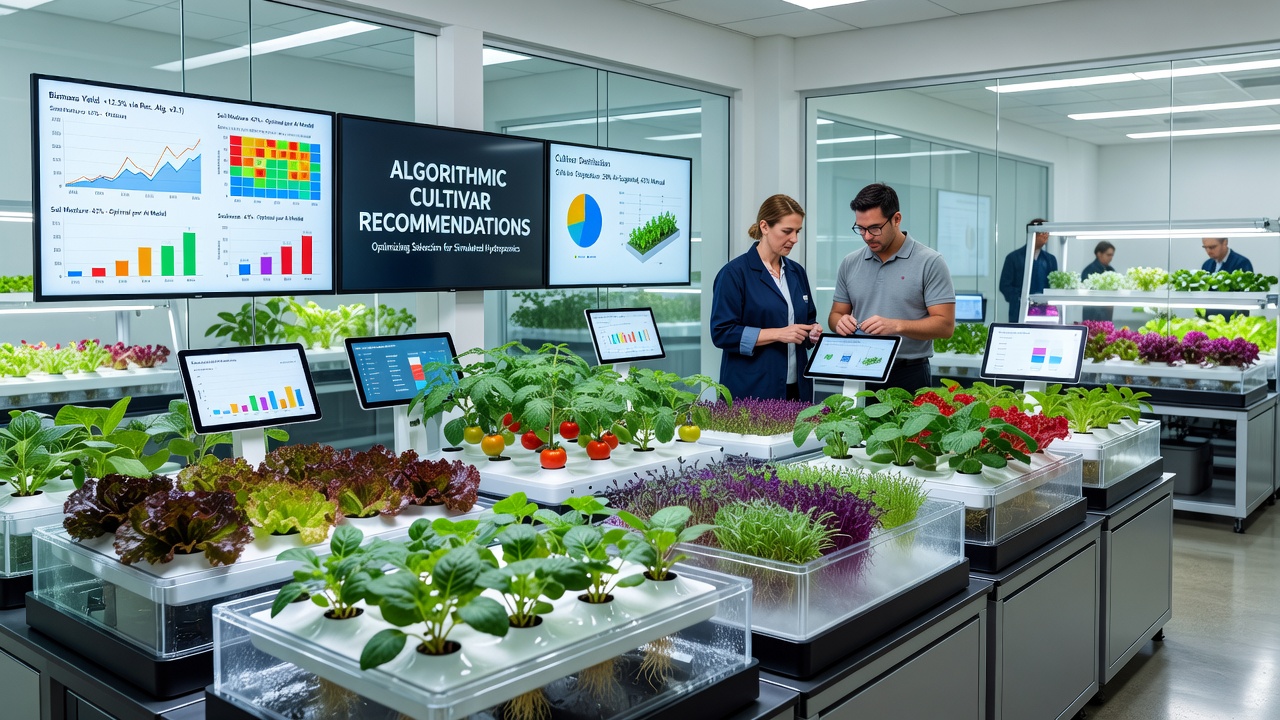
Industry reports from the CSIRO highlight how recommendation strength varies by interface design. Lists that display predicted harvest dates alongside cultivar names generate faster decisions than grids showing only images and basic descriptions. Users in collaborative simulation projects, where multiple participants adjust shared parameters, demonstrate even stronger alignment with algorithmic suggestions because group consensus often defaults to the highest-ranked options presented on-screen.
Effects on Genetic Diversity Within Simulations
Repeated algorithmic promotion of a narrow set of high-performing cultivars correlates with reduced overall variety in user-generated simulation portfolios. Observers note that once a cultivar surpasses a visibility threshold within the recommendation engine, its dominance compounds over time as new users encounter fewer competing options. Data from a 2026 analysis of over 120,000 simulation runs indicated that the top five recommended cultivars accounted for 61 percent of all selections in grain crop categories during the preceding year.
Platform developers have introduced experimental features that surface lower-ranked but genetically distinct alternatives at random intervals. Early results from these interventions show modest increases in exploration behavior, although the effect diminishes once users return to default ranked views. Those who've examined the underlying codebases point out that recommendation models optimize for engagement metrics such as session duration and completion rates rather than explicit diversity targets.
Future Directions in Algorithmic Design
Developers continue refining models to incorporate user-defined constraints alongside performance predictions, allowing filters for traits like pollination requirements or companion planting compatibility. European Commission agricultural informatics projects have funded pilot interfaces that present cultivar options alongside transparent explanations of the scoring criteria used by the algorithm. Participants in those pilots selected a broader range of varieties compared with control groups using standard ranked lists.
Integration with external datasets from real-world breeding programs promises further evolution, although simulation accuracy remains dependent on the quality of input parameters. Research indicates that as these connections strengthen, recommendation influence on cultivar selection will likely intensify unless deliberate design choices counteract concentration effects.
Conclusion
Algorithmic recommendations have become central to how participants navigate cultivar options inside simulated growing environments, with measurable impacts on selection distributions across multiple platforms and regions. Data released through October 2026 underscores consistent patterns of accelerated adoption for top-ranked varieties alongside gradual reductions in portfolio diversity. Continued refinement of these systems, including transparency measures and diversified presentation formats, represents the primary avenue through which platform operators and researchers address emerging concentration trends while preserving the utility of simulation-based experimentation.